

9 Popular Interior Design Styles You Should Definitely Know

So, you are ready to design your home, but you don’t know where to begin?
Today, interior design is seen as a way to reflect personality, lifestyle, emotional comfort, and even cultural identity.
Every design style carries a unique mood. Some homes feel calm and minimal. Some feel artistic and layered. While others carry stories of heritage and tradition.
Instead of blindly following trends, homeowners now choose styles that match how they want to feel inside their homes.
Whether it is the peaceful simplicity of Japandi or the warmth of Cottagecore, every style creates a different experience.
But if you want to fuse different styles, you need to learn their names and be able to differentiate them first.
In this blog, we shared some of the most popular interior design styles ruling over modern homes.
Table of Contents:
1. Scandinavian |
2. Japandi |
3. Cottagecore |
4. Eclectiv |
5. Contemporary |
6. Traditional |
7. Biophilic |
8. Bohemian |
9. Chettinad |
10. Conclusion |
1. Scandinavian Interior Design Style

Most Chennai residents prefer the Scandinavian style for their home interiors.
Scandinavian design originated in Nordic countries, where winters are long and natural sunlight is limited. That’s why the style focuses heavily on brightness, comfort, and functionality.
It is often confused with Japandi, but Scandinavian interiors are softer, brighter, and more cosy.
Scandinavian style mostly includes White or light-colored walls, minimal yet practical furniture, cosy textures like wool, cotton, and soft rugs, natural light emphasis, and Simple decor with clean aesthetics.
This style is perfect for people who prefer simplicity without sacrificing comfort.
2. Japandi

Japandi style is where Japanese Calmness Meets Scandinavian Simplicity.
It’s one of the most loved interior design trends today.
Apart from the geographical distance, Japanese and Scandinavian design philosophies go really well together. Both styles value simplicity, functionality, craftsmanship, and connection with nature.
Japandi interiors are clean but warm. Minimal but never cold. Think of neutral earthy tones, low furniture with clean lines, and natural materials, such as wood, bamboo, linen, and stone.
Unlike extreme minimalism, Japandi focuses on emotional warmth. Every object in the rooms is well planned and intentional.
The style also embraces the Japanese philosophy of wabi-sabi, finding beauty in imperfection. Textured ceramics, handcrafted furniture, and organic shapes are often used to create a calm atmosphere.
Japandi works especially well for you if you live in urban homes.
3. Cottagecore

Cottagecore is for the hopeless romantics and whimsical people.
This style romanticises slow, peaceful living inspired by the English countryside. It is nostalgic, soft, emotional, and takes you to the Narnia nights.
Instead of sleek perfection, Cottagecore embraces comfort and lived-in beauty. Floral fabrics, vintage furniture, bookshelves, handmade decor, lace curtains, and warm lighting are common elements.
Cottagecore gives life to many other styles, like grandmacore and coquettishcore.
If you want to add a little whimsiness to your life, go for cottagecore.
4. Eclectic

Eclectic style always has a mixed reaction. May be its because of its randomness, or maybe it’s because of Gen Z’s influence.
In reality, Eclectic design style is the art of intentionally combining different styles, eras, textures, and colours into one cohesive space.
Eclectic interiors are especially popular among Gen Z because they value individuality over rigid design rules.
An eclectic home may combine Scandinavian furniture with Indian textiles, industrial lighting, vintage mirrors, and contemporary art, all in one room.
The challenge with eclectic design is balance. Without thoughtful coordination, your space can feel cluttered instead of curated.
When done right, eclectic interiors feel vibrant, creative, and deeply personal.
5. Contemporary
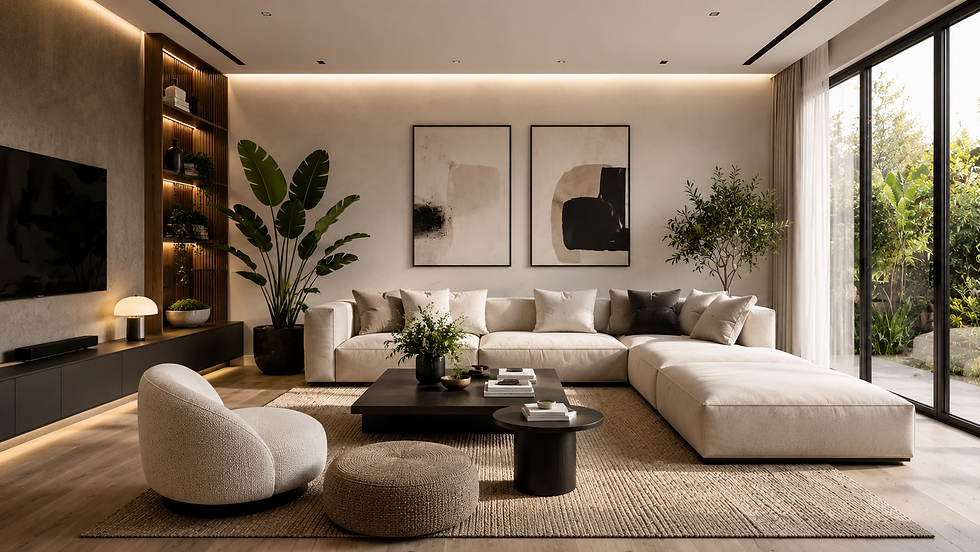
Many people confuse contemporary design with modern design, but they are different.
Modern design refers to a specific historical movement from the early to mid-20th century. Contemporary design, however, reflects what is current and evolving, even now.
It constantly changes with trends, technology, and lifestyle shifts.
Open layout, neutral colour palettes, Clean architectural lines, Smart home integration, and Minimal yet sophisticated decor are some features of contemporary style.
Contemporary interiors often combine simplicity with luxury. They feel polished, spacious, and adaptable.
Unlike traditional styles tied to one era, contemporary design evolves continuously. What is considered contemporary today may change within a few years.
6. Traditional

Traditional interiors are Elegant but rooted in History. It is inspired by classical European and heritage design styles. They focus on symmetry, craftsmanship, rich textures, and timeless elegance.
Think of Ornate wooden furniture, Rich fabrics, layered textiles, Detailed craftsmanship, warm colour palettes, symmetry, and balance.
Traditional homes often feel sophisticated and grand. Unlike minimalist trends, this style embraces decorative detail.
In India, traditional interiors are also deeply connected with regional culture and craftsmanship.
7. Biophilic

If you are a nature lover, then the biophilic style is the one for you.
Biophilic style focuses on strengthening the connection between humans and nature.
It is more than simply adding plants to a room. It involves designing spaces that improve physical and mental well-being through natural elements.
Key Elements of Biophilic Design are Indoor plants, greenery, Natural ventilation, airflow, Sustainable materials, and Natural light optimisation.
The successful application of biophilic design principles stimulates a wide spectrum of physical, mental, and behavioural benefits. Studies suggest that nature-connected spaces can reduce stress, improve productivity, and enhance emotional well-being.
As sustainability becomes more important, biophilic design is becoming a major part of future architecture and interiors.
8. Bohemian

Are you a “ you can’ box my personality into a single box” kind of person? Then Bohemian is the style you should look out for.
The Bohemian style is Artistic, Free-Spirited, and Layered. It is often called “Boho” and is expressive and unconventional. It does not follow strict design rules. Instead, it celebrates creativity, individuality, and travel-inspired aesthetics.
Bohemian interiors are rich in textures, patterns, and colours. This style features Layered rugs, Handmade decor, artisan pieces, Indoor plants, Mixed patterns, and earthy palettes.
If you want to create a deeply personal, artistic space, then just go for the bohemian style.
9. Chettinad

You might ask, “So, what about our own interior design styles?”
Tamil Nadu has one of the most distinctive interior traditions in India, the Chettinad style.
Chettinad homes are known for their grandeur, craftsmanship, and climate-responsive architecture.
Whether it is athangudi tiles with vibrant patterns, or the antique furniture with handcrafted decor, every element in Chettinad style has an authentic story to tell.
Chettinad design beautifully combines luxury with practicality. Its architecture and design encourage airflow, natural light, and thermal comfort concepts that modern sustainable design is now rediscovering.
Chettinad interiors also reflect cultural storytelling. Every carving, tile pattern, and wooden detail carries heritage and craftsmanship.
Today, many designers are reintroducing Chettinad elements into contemporary homes by blending traditional textures with modern layouts.
Conclusion
Interior design is not just about aesthetics anymore. It is about creating spaces that reflect identity, comfort, culture, and emotional well-being.
You might be drawn to the calmness of the Japandi’s minimalism, or you prefer the layered personality of Bohemian, or you might even find comfort in traditional elegance.
There is no right or wrong when it comes to personal interior design style. The best design is the one that brings functionality, comfort, and personalisation.
General Interior Design FAQ's
1. Which interior design style is best for small homes?
Minimal and modern styles like Scandinavian or Japandi work best for compact homes. Because the light and airy designs make your home more spacious.
2. How long does a home interior project usually take?
It depends on your home size and the scale of your project. Usually, it takes anywhere from 40 to 60 business days.
3. How do I choose the right interior style for my home?
Choose your style based on your lifestyle, functionality, and personal preferences.
4. Can interiors increase property value?
Yes, of course! A beautiful property with the best interior design will definitely increase your property’s value.
5. Which colour makes a room look bigger?
Go for white, cream, and pastel colours to make your home more spacious.


Comments